


Results 1 to 10 of 10
Thread: Electric Rust removal
-
10-27-2010 #1
 Registered User
- Join Date
- Jul 2005
- Location
- Marshall , MO
- Posts
- 699
Electric Rust removal
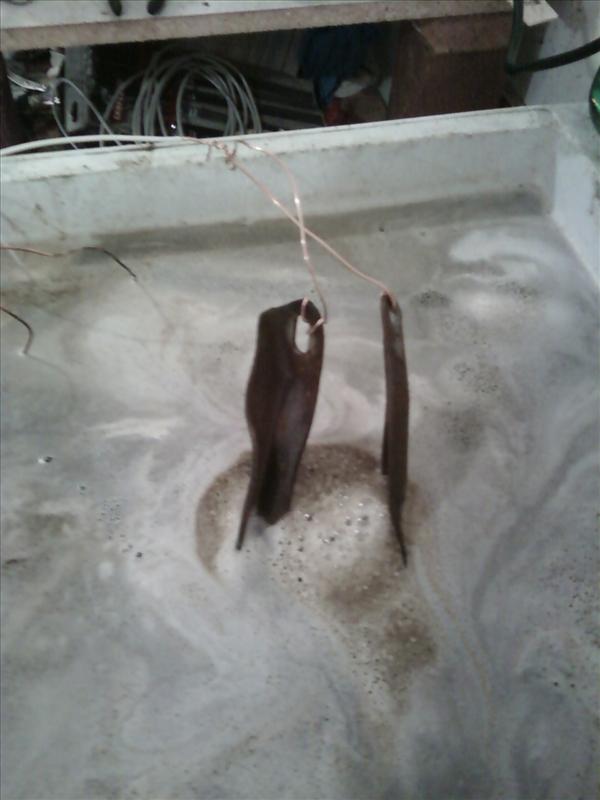
I had read several post on using a battery charger and a sacrificial anode to remove rust. My family is gone this week so I had some free time to give this a try. After doing some readiing I determined that it is the current that does the work not voltage and more is better.
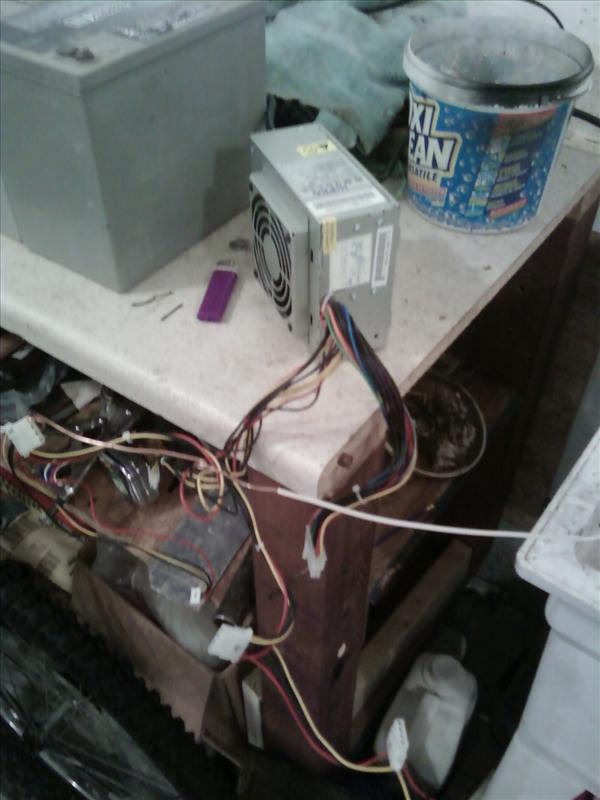
So I used a power supply from an old PC I had laying around it will do 12 amps at 12 volts my battery charger will only do 6.
I filled my plastic shop sink full of water and added about a box and a half of baking soda. I used an old plastic shelf cut to fit that was slotted to keep the parts from contacting the anode.
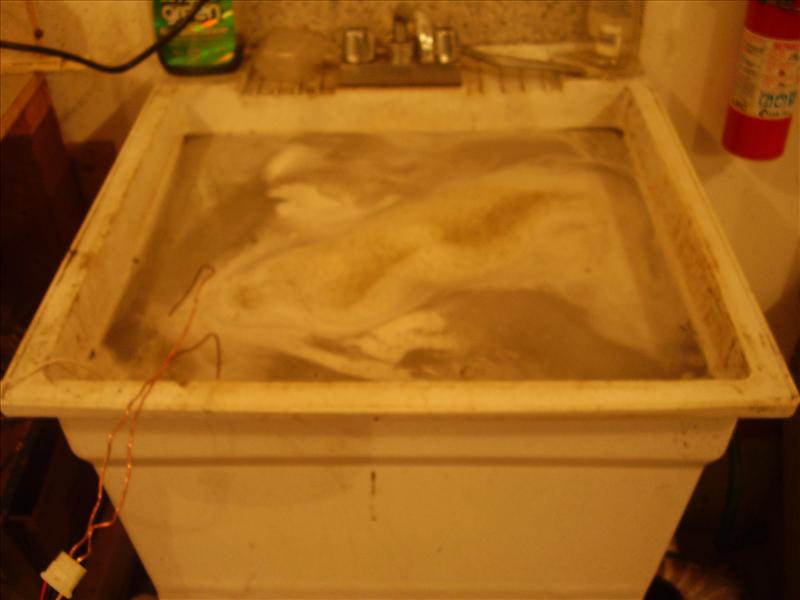
This is what it looked like after two days of working on my front lower control arms that I took off a car that was sitting in the dirt since 95 when they are finished I will post up pics
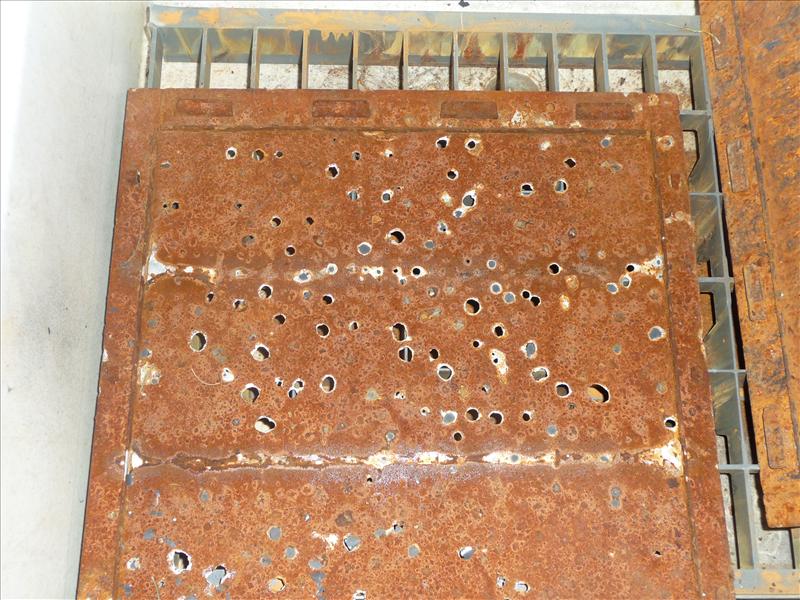
Here is my first anode I used and old computer case side it was flat and about the right size for the bottom of the sink
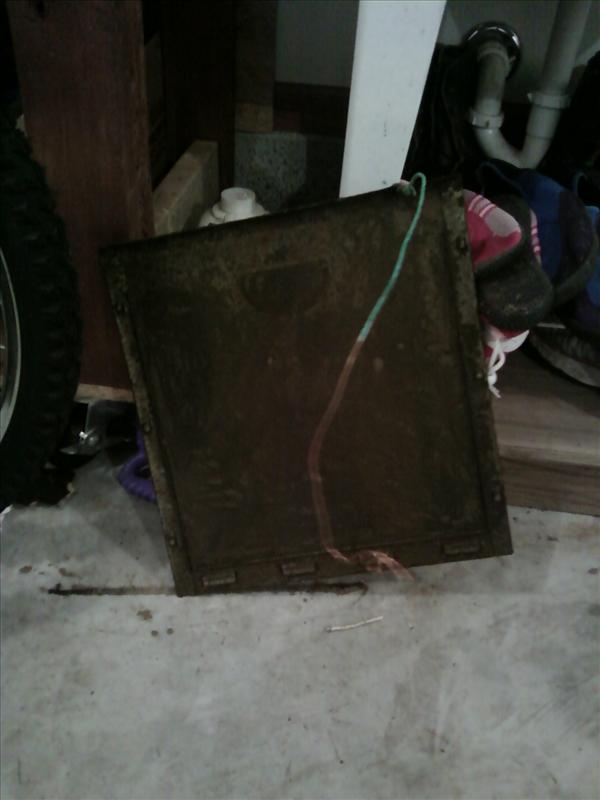
The current dropped significantly so I swapped out the anode and used the other case side before I added the Chassis Braces.
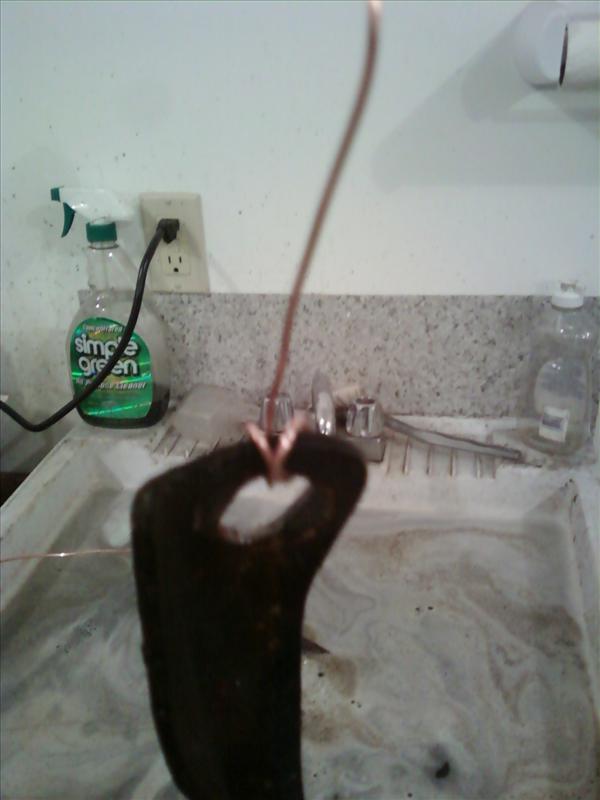
When They are done I will post up some pics.
Brad Shepard
69 Malibu
Marshall, MO
-
10-27-2010 #2
Registered User
- Join Date
- Apr 2005
- Posts
- 413

Nothing like a good science experiment in the garage to have fun with. Let us know how it turns out.
10-28-2010 #3 Registered User
- Join Date
- May 2008
- Location
- Chicago
- Posts
- 609

I am curious to see how it works. If I tried that my wife would have me committed to an institution. LOL
10-28-2010 #4
Registered User
- Join Date
- Jul 2005
- Location
- Marshall , MO
- Posts
- 699
Mine expects this kind of thing now. I was also curious to see how well it works. I have seen several form post about it so I decided to see how well it actually works. If it works at all I think it would e great for fuel tanks and such that you can't get inside of easily.
Brad Shepard
69 Malibu
Marshall, MO
10-28-2010 #5 Registered User
- Join Date
- Mar 2010
- Location
- San Gabriel Valley CA
- Posts
- 148
I use electrolysis often to remove rust from old metal. It works great and msst of us have all that is needed in the garage already. It will even help strip paint and grease. The solution will look horrible after a while, but it keeps working and should be safe to poor down the drain, provided you did not use stainless steel for the anode.
After you take your part out of the bath, rinse it off with some clean water, then give it a shower with some WD-40 to keep the rust away.
When the wife first saw my 30 gallon bucket bubbling up with an orange greasy mess and the wires coming out of it, the first words out of her mouth was "is this gonna blow up the house?" When I stuck my hand in it and said it was way less dangerous than charging her cell phone battery she never batted another eye at it. with a kiddie pool you can even do large parts like subframes.Mike Lara
11-01-2010 #6
Registered User
- Join Date
- Feb 2006
- Location
- NYC NY
- Posts
- 35
f body mike relayed almost a word for word, action for action account of me working in derusting a vise from 71. the misses gives me no grief.
it works, and it works really well. the process seems to be a "line of sight" process. the more surface area available on the anode the better. the sides that face the anode seem to be better off.
as a plus, when I pour it out on my grass the grass seems to grow better in that area.-Jason G-
94 Pontiac Firebird LT1,T56, 315 x 4
11-02-2010 #7 Registered User
- Join Date
- Aug 2004
- Location
- Rustburg, Virginia
- Posts
- 3,436
Citric acid (100%lemon juice)helps speed up this process<hint>
1970 RS/SS350 139K on the clock:
89 TPI motor w/ 1pc rear seal coupled to a Viper T56 via Mcleod's modular bellhousing w/ hydraulic T/O bearing from the Viper, 12 bolt rear w/ 3.73 gearing, SC&C upper control arms, factory lowers with Delalums, C5 brakes at all four corners, Front Wheels 17x8's with Sumi 255/40/17 and Rear Wheels 17x9's with Sumi 275/40/17.
Brief description of the work done so far can be found here: http://www.nastyz28.com/forum/showthread.php?t=112454
11-02-2010 #8 Registered User
- Join Date
- Nov 2005
- Location
- Little Rock, Arkansas
- Posts
- 945
For anyone wanting a step by step:
http://www.arkansaspontiacs.org/tech...s/Electro.html
11-02-2010 #9
Registered User
- Join Date
- Oct 2008
- Location
- Durham,NC
- Posts
- 664
I have tried this at Hinshaw Chevelle and works great! I sandblasted the parts then set them in a sink like used above for a while and boom they come out looking great. James Hinshaw uses this method or similar to make certain pieces look like they did when they come from factory. I wanna make a small setup for my small garage at the house. Brandon
11-10-2010 #10
Registered User
- Join Date
- Jul 2005
- Location
- Marshall , MO
- Posts
- 699
Sorry its been a little while since I updated this. I basically quit after 24 hours the braces came out OK but needs another go at it.
This is how the anode looked after 24 hours kind of like swiss cheese
Chassis braces
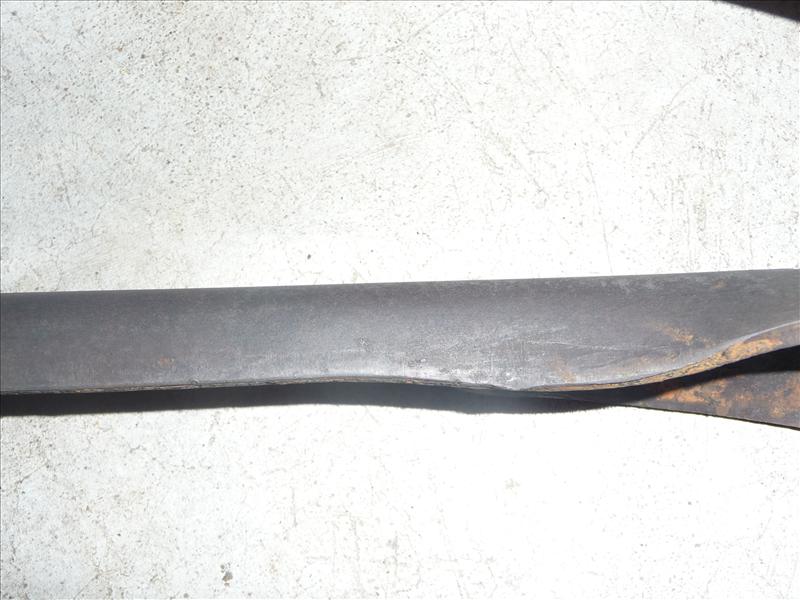
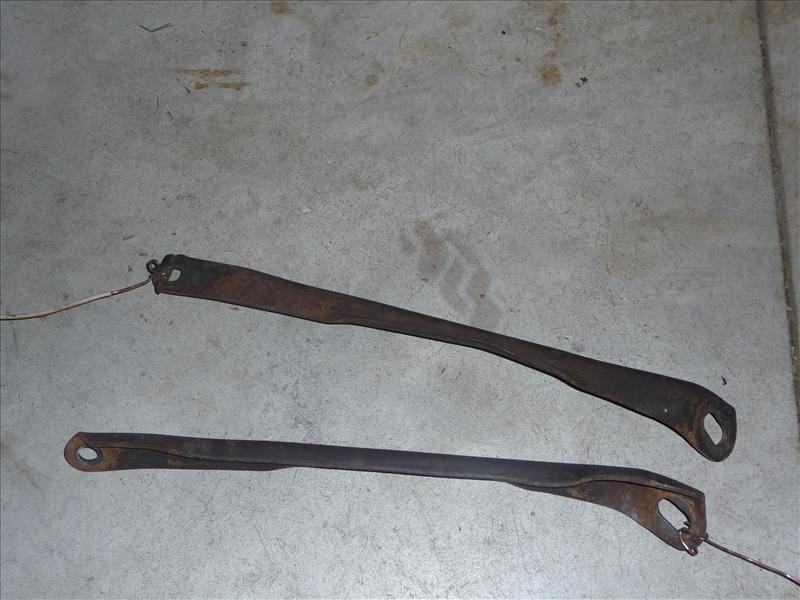
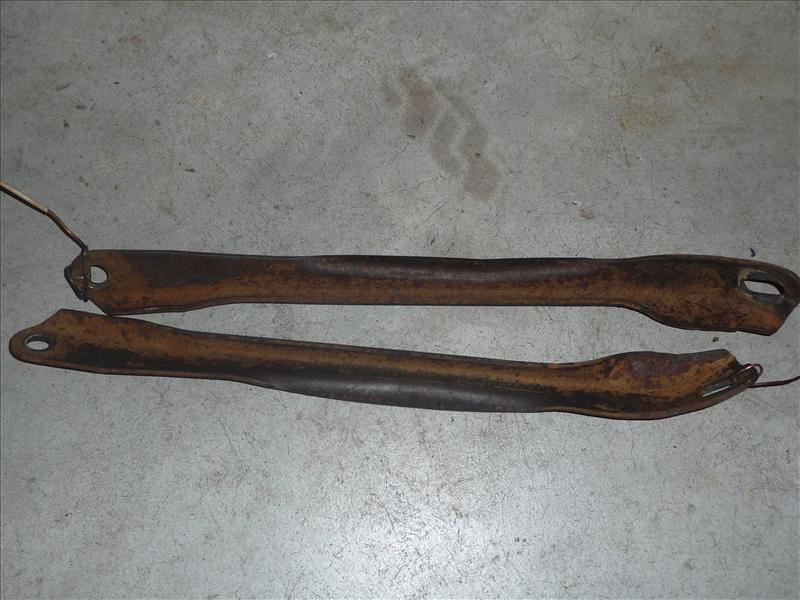
Here is how my control arms looked going in
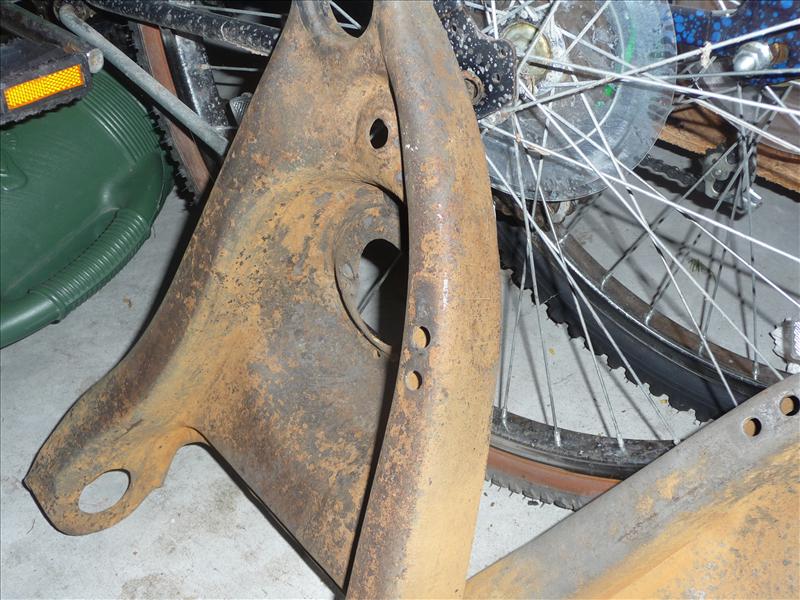
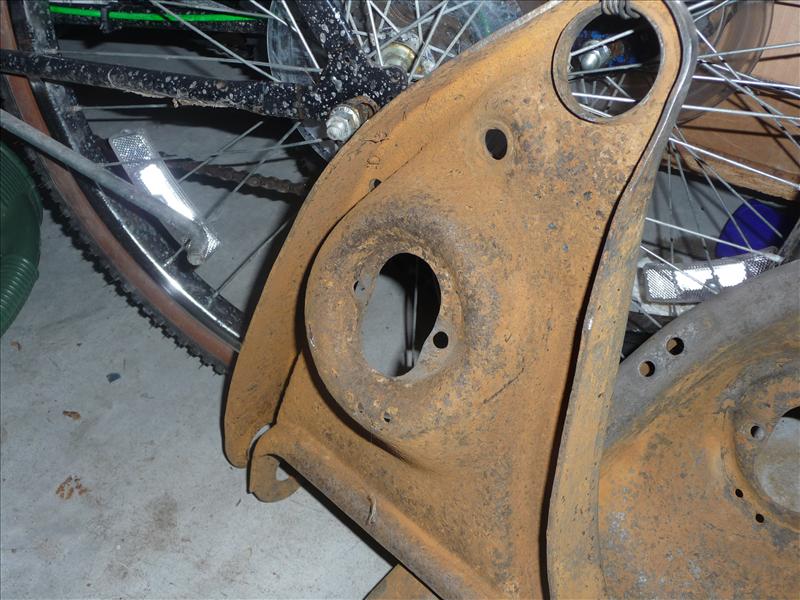
This is how it came out still needs some more but a lot better.
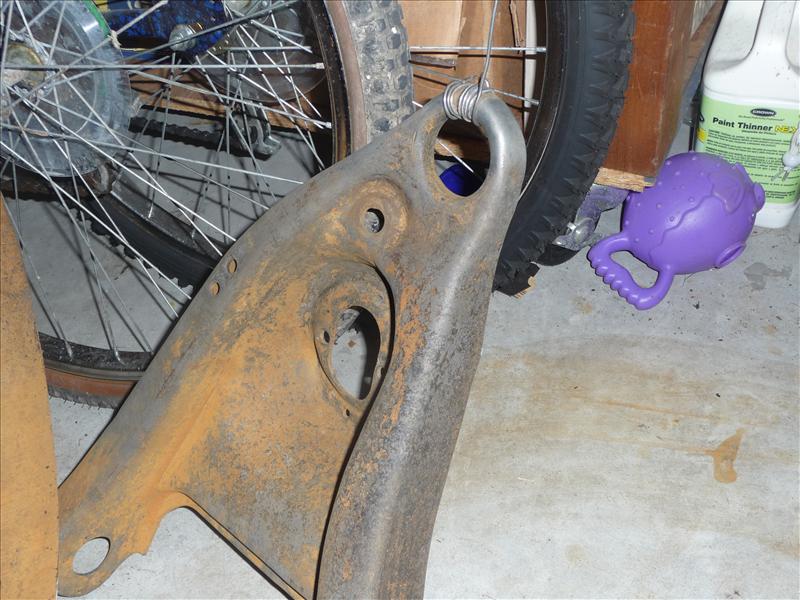
Overall not too bad I had the braces and both lower control arms all in at the same time I think one at a time will do better. It would have been much faster to use the wire wheel on my grinder and clean these up, but if you don't have time or the resources this can be set up and ready to go in less than an hour with stuff lying around. Once it is set up you only have to connect the parts turn it on and walk away.
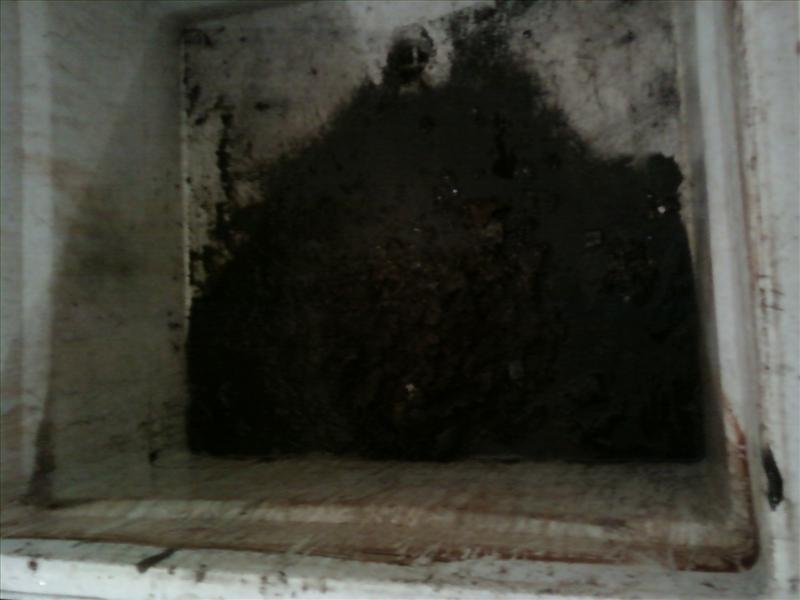
If anybody else is considering doing this I would highly recommend NOT doing it in a sink connected to the plumbing. The stuff that is left over is nasty and I had lots of it. I had to scoop out most of it because it was not going to fit down the drain.
I also figured out that even though the PC power supply says it can provide 12 Amps and the battery charger only 6 the battery charger puts out more. I don't have a measurement other than when I put my hand in the water with the power supply I felt nothing with the battery charger I had a tingle and the closer I got to the parts the more it tingled. Nothing to serious kind of like a 9 volt on your tongue.Brad Shepard
69 Malibu
Marshall, MO

 Reply With Quote