


Results 1 to 20 of 115
Thread: '68 Camaro Amsterdamned
Hybrid View


-
05-29-2009 #1
 Registered User
- Join Date
- Mar 2008
- Location
- North Bend, WA
- Posts
- 343

Nice!
It will be very interesting to me how well your draw through setup works.
If I recall correctly, I read they have a little extra turbo lag compared to blow through. The extra lag could improve MPG if it allows the driver to make entering boost a more deliberate act. That could be desirable on a street car.
If you want to run a working cowl induction system, that should be fairly easy to setup after dealing with any height changes vs. stock cowl induction.
Another nice part about draw through is you still have vacuum upstream of the turbo, when the turbo is in boost. I imagine you could run a standard brake booster as long as it can handle the elevated vacuum that the draw side of the turbo should create.
I have a lightly used draw through system like yours that I may end up using to keep costs down. It uses an adapter that sits between the carb or throttle body and a standard intake manifold. It was barely used and came out of a turbo SBC RV. For $300, I got a rajay turbo, both exhaust manifolds (one OEM turbo flanged), the exhaust cross over pipe, the intake adapter, the piping to/from the turbo, and a boost gauge! It has been boxed up for ~18+ years.
On the one hand, I doubt the turbo I have will spool up as quickly a recently designed one. On the other hand, once boost kicks in, I'm guessing handling, tuning, and controlling the old turbo's boost will be more of a limiting factor than the dated turbo. It is sized a little on the small side which should help lag at the expense of a little total power.
If STS can apparently design a rear mounted turbo system with little lag, one would think low lag should be achievable using a draw through turbo that is mounted only inches from the engine, especially given the advances in turbo design improving spool up.
-
06-01-2009 #2
Registered User
- Join Date
- Jan 2007
- Location
- Netherlands
- Posts
- 72
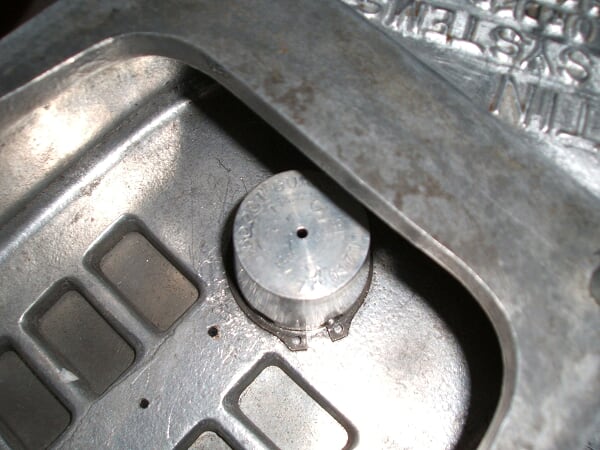
If you take a look at the picture below you'll see 6(only 4 1/2 at the picture) openings at low rpm they will be open and the engine will work normal and will not breathe through the turbo, at higher rpm the turbo will spool and draw the mixer through the turbo and will push against the metal flaps under the 6 holes and will close them, now the engine will see boost, and should not have any turbo lag Originally Posted by Turbo67camaro

Erik

 Reply With Quote


